Professionals across healthcare, institutional cleaning, food-adjacent environments and public facilities rely on disinfectant chemistries that balance performance, safety considerations, material compatibility and cost efficiency. Within this landscape, DDAC is one of the quaternary ammonium compounds commonly used in modern formulations. Understanding where it fits allows procurement teams and hygiene managers to design coherent, effective disinfection programmes without over-complexity.
The role of DDAC in everyday surface disinfection
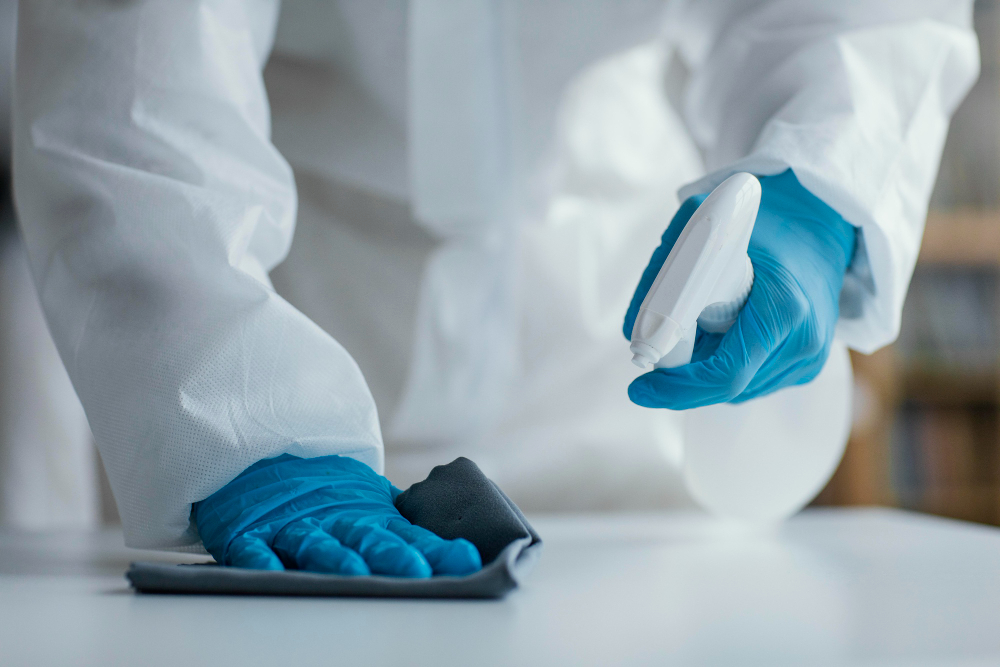
As a quaternary ammonium compound, DDAC is frequently selected for hard-surface disinfection in workplaces, transport, educational settings and certain healthcare areas. It is often used in ready-to-use liquids, concentrates and disinfectant wipes, making it adaptable across routine and high-frequency hygiene tasks.
Professionals appreciate its compatibility with many non-porous surfaces when used according to product instructions. This helps simplify cleaning workflows in areas with mixed materials such as plastics, coated metals and composite worktops often found in labs, offices and clinical support spaces.
Factors influencing product selection
When evaluating DDAC-based formulations, facilities teams typically consider contact time, odour profile, packaging format and alignment with internal hygiene objectives. Many organisations value chemistry families that integrate easily into training programmes and allow consistent procedures across multiple sites.
How DDAC supports coherent hygiene systems
A successful professional disinfection programme typically relies on a streamlined portfolio rather than an overly complex mix of chemistries. DDAC-containing products can form part of this system, especially when paired with clear instruction-for-use materials and routine staff training.
Because DDAC is used across multiple commercial product formats, it enables a consistent experience for cleaning teams—important for organisations aiming to harmonise procedures across regions or business units. This consistency can support predictable execution of hygiene tasks, reducing variability and helping facilities maintain high standards.
Integrating DDAC Into risk-based cleaning routines
Different workplace zones have different hygiene priorities. DDAC formulations are often chosen for low- to moderate-risk areas where routine surface disinfection is required throughout the day. In higher-risk environments, they may serve as part of a broader, risk-based protocol that includes additional or alternative chemistries depending on facility needs.
Combining DDAC-based products with structured checklists, defined cleaning frequencies and supervisory oversight helps ensure that hygiene routines remain aligned with operational requirements.