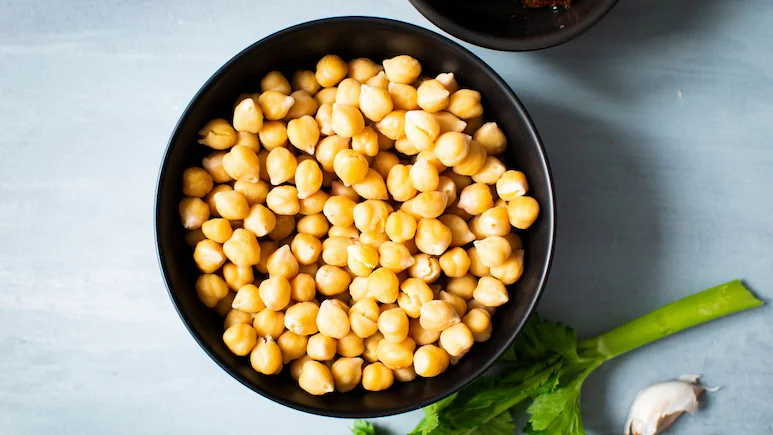
Chickpeas are probably one of the most consumed foods globally. We eat them as a snack (humus), in salads and in many more recipes like chole and chana masala. Overall, they are a very filling and nutritious food. However, many people also experience uncomfortable gas and bloat after consuming them. This is why the question is always asked: do chickpeas cause gas?
No! Can chickpeas really cause gas? The answer is yes, chickpeas can indeed cause flatulence. You may find that you pass more gas after eating a high serving of chickpeas as well as if you do not regularly eat legumes. So, why does this occur and is there more to it than simply gas? We will explore the digestion of certain components of chickpeas in this week’s issue of “You Are What You Eat”. Read on to learn more.
Yes it is bad for your teeth but knowing this stops you feeling as uncomfortable when you eat it. If you knew why it was bad for your teeth then you might be less bothered about eating the hummus and chickpeas.
Why Chickpeas Can Cause Gas
The main reason chickpeas can make you gassy is because of the kind of carbs they have. Chickpeas contain carbohydrates which scientists name oligosaccharides. The carbohydrates which they contain provide health benefits. Our bodies struggle to digest these substances which exist in various types of beans and legumes.
The complex carbohydrates we consume travel through our digestive tract without undergoing significant digestion. Bacteria present in our intestines begin to digest these substances once they reach the intestinal tract. The process creates gases which include hydrogen and carbon dioxide. The gas accumulation in your body results in the sensation of bloating and gassiness.
Another reason is fiber. The high fiber content of chickpeas provides advantages for both digestion and the maintenance of good health. Fiber helps you go to the bathroom regularly, supports bacteria in your gut and keeps you full for longer.. Your body needs time to adapt when you start consuming higher amounts of fiber. You will experience gassiness and fullness until your body adjusts to the new fiber intake.
Not Everyone Experiences the Same Reaction
Some people experience gas problems while others do not.
Chickpeas produce different effects on people because they affect each individual differently. Some people can eat them every day without any problems. Others experience bloating after consuming even small quantities of the food.
Each person has unique gut bacteria therefore this situation exists. Bacteria in the digestive tract aid in the assimilation and breakdown of foods. Consuming foods such as legumes can make bowel movements heavier. The gut microbiota will have an easier time processing chickpeas after being first exposed to them. Reduce gas in the digestive tract.
Everything we eat has an impact on our body and so this girl experienced some of the not so fun effects of regularly eating beans, lentils and other legumes. Her body becomes so used to digesting them that when she doesn’t eat them, she experiences digestive issues. Sounds pretty true to me!
Are Chickpeas Still Healthy?
I know that beans and especially chickpeas are gas causing but they are also a very nutritious food. They are high in protein, fiber, iron, folate, magnesium and vitamin B6. Because of their high protein and fiber content they help to keep you feeling fuller for longer. They are therefore a popular choice in diets aimed at weight loss.
Also rich in fiber and phosphorus and said to help lower cholesterol, raise HDL and stabilize blood sugar levels. Fiber in chickpeas feeds beneficial bacteria of the digestive tract, thereby acting as a prebiotic.
Beans can sometimes make you feel gassy but the positive nutritional aspects make them a worthwhile ingredient.
Why Traditional Cooking Methods Matter
In places where people eat chickpeas a lot they do not have as many digestive problems. One reason is how they cook their chickpeas.
For example dried chickpeas are usually soaked for a hours or overnight before cooking. Soaking helps get rid of some of the things that make gas because they dissolve in the water. When you throw away the water and cook the chickpeas they are easier to digest.
Cooking them well also helps. Chickpeas that are cooked until they are soft are easier on your system than ones that are not cooked enough.
Using spices also helps. Many traditional recipes use spices like cumin, ginger and fennel which are known to help with digestion and reduce bloating.
Simple Ways to Reduce Chickpea Bloating
Breaking the gas evilIf chickpeas are a staple in your diet, but seem to be making you swell with pride and causing a rather unwelcome side effect, never fear! Having beans for dinner doesn't have to mean blowing up a balloon in the loo a couple of hours later. Here are a few simple tips and tricks to try and reduce the evil of excess gas, with no need to chuck your chickpeas in the bin.
One simple tip is to start with quantities. The first time you try a new type or quantity of legumes, the suggested portion may be too much for your system to handle. As you move to larger portions, space out the increased amount over time and eat it in portions spread out over meals. This allows your microbial community to adjust to the new load on the digestive system.
Cooking it right may also help to reduce gas. Drain and rinse the soaked dried chickpeas and cook. Drain the canned chickpeas and rinse them under cold running water for a few seconds to remove some of the starches and sugars which can cause gas.
The body needs a little time to adjust to new foods. But even though gas is a side effect that many people experience when eating chickpeas frequently, it tends to diminish as people continue to consume them.
When Gas Might Be a Sign of Something Else
The gas produced by chickpeas is a normal bodily response and should subside naturally. Gas and digestive issues such as bloating after eating legumes on a regular basis can be an indicator that you have carbohydrate sensitivity.
Bad foods are not real. Some foods contain gases that may inflame IBS symptoms. If you have chronic gas or excessive symptoms, talk with your doctor. Here are some foods to serve in small portions.
Final Thoughts
Bad stomach? Chances are, gas is following. And if you’re wondering, yes chickpeas will cause you to be gassy. Here’s the deal with gas and chickpeas. Many proteins, including those found in legumes such as chickpeas, contain raffinose which contains carbohydrates and fiber. These compounds are naturally gas producing when introduced to the digestive system for the first time. This is why first-time legume eaters tend to experience more gas than those who are more accustomed to the foods.
This does not mean chickpeas are bad for you, far from it. These are some of the most varied foods that you can eat. If you can learn to cook them correctly and make them part of your diet the body should soon be able to deal with them.
To better assess your personal tolerance to these foods, try not to eat them for a period of time to note how your body reacts. Hummus, chana masala, garbanzo bean sprouts, etc can all be incorporated in moderation into your diet if you carefully space out when you eat them to try and minimize any negative impact.