Finding a lump anywhere on your body can be triggering and anxiety-inducing, especially if it is somewhere sensitive, such as your ear. However, Earlobe lumps are the most common form of benign skin findings in the ENT and dermatology departments.
Typically, these lumps are what are known as earlobe cysts, and depending on whether the lump is painful, where it is located on the ear, and whether it is painful or infectious or not, treatment plans can be considered. Keep reading this article to learn how to get rid of a lump in the earlobe.
What Are Earlobe Cysts?
Earlobe cysts, otherwise known as epidermoid cysts or epidermal inclusion cysts, grow slowly. A doctor recommends removal only if there is pain, discomfort, bursting, or infection.
Cysts commonly form in adults in areas without heavy hair coverage, such as on the face, neck, or trunk. Some cysts do not need treatment. If the cyst causes pain or does not go away, you should seek the help of a medical professional.
6 Exercises to Give You Gym Ready Body
7 Common Types Of Earlobe Cysts
Before we venture into different treatment options for your earlobe cyst, it is important to understand the cause of the cyst and the kind of cyst that it is. The treatment approach for fixing the cyst depends on its underlying pathology.
1) Sebaceous (Epidermoid) Cyst
This cyst happens due to a blocked oil gland that is trapped under the skin. It forms into a dome-shaped, rubbery, and mobile lump. This may stay stable for months, or it can start enlarging slowly.
2) Inflamed or Infected Cyst
A sebaceous cyst may get aggravated and get secondarily infected, becoming painful, turning red, and warm to the touch.
3) Keloid From Piercing
Surplus tissue develops after an injury or puncture, especially during ear piercing. Generally, it has a hard quality, extends beyond the wound line, and doesn’t go away easily.
4. Abscess (Collection of Pus)
Usually looks swollen, red, and extremely painful. Usually needs draining by a physician to limit damage to tissue.
5. Lymph Node (Rare in Lobe and More Common in the Back of Ear)
Inflammatory lymph nodes are seen at times behind the ear, instead of the lobe.
6. Benign Tumors (Lipoma, Angiofibroma, etc.)
Much rarer than the other forms of cysts, it is still worth evaluating if it is growing.
7) Malignancy (Rare)
Very rare, but any lump that is hard, fixed, ulcerating, or bleeding must be investigated.
How To Identify Earlobe Cysts?
Earlobe cysts are sac-like tumors composed of dead skin cells. They appear as little, smooth bumps under the skin, similar to a blemish. Their hue varies slightly, ranging from matching your skin coloring to red.
They are usually about the size of a pea. However, you should monitor them to see whether their size changes. They are nearly always harmless and should only pose a minor cosmetic issue or distraction. For example, it can be irritating if your headphones brush against them.
Cysts can also be found inside, behind, and in the canal of the ear. If a cyst is injured, it might release keratin, which is similar to toothpaste in texture.
How Are Earlobe Cysts Diagnosed?
If you feel a bump around your earlobe, it's most likely a benign cyst that will go away on its own. The cyst may grow in size, but it may also disappear without therapy. However, there is a potential that the cyst will reappear.
Consult a doctor if the cyst:
- Increases in size
- Causing pain
- Impairs hearing.
You should also consider its hue. If the color starts to change, it could be infected. You should consult a medical specialist to get it removed through an incision. Incision and drainage are used to treat cysts that have become infected, burst, or irritated.
How To Manage Cysts?
The management of a cyst is determined on its severity. If the cyst causes no issues, there is no need to treat it. It may go away without therapy, but it could return.
If the cyst irritates you, causes substantial pain, or swells to an uncomfortably large size, you should consider having it removed. Also, if the cyst causes chronic pain or hearing loss, you should see a doctor to prevent infection.
A doctor can remove it with a local anesthetic. The doctor will cut the cyst, remove it, and patch up the skin. If the cyst recurs, as it sometimes does, it can be easily removed.
Jay Cutler Shoulder Workout Routine
What Are Some Safe Medical Approaches To Treat Cysts?
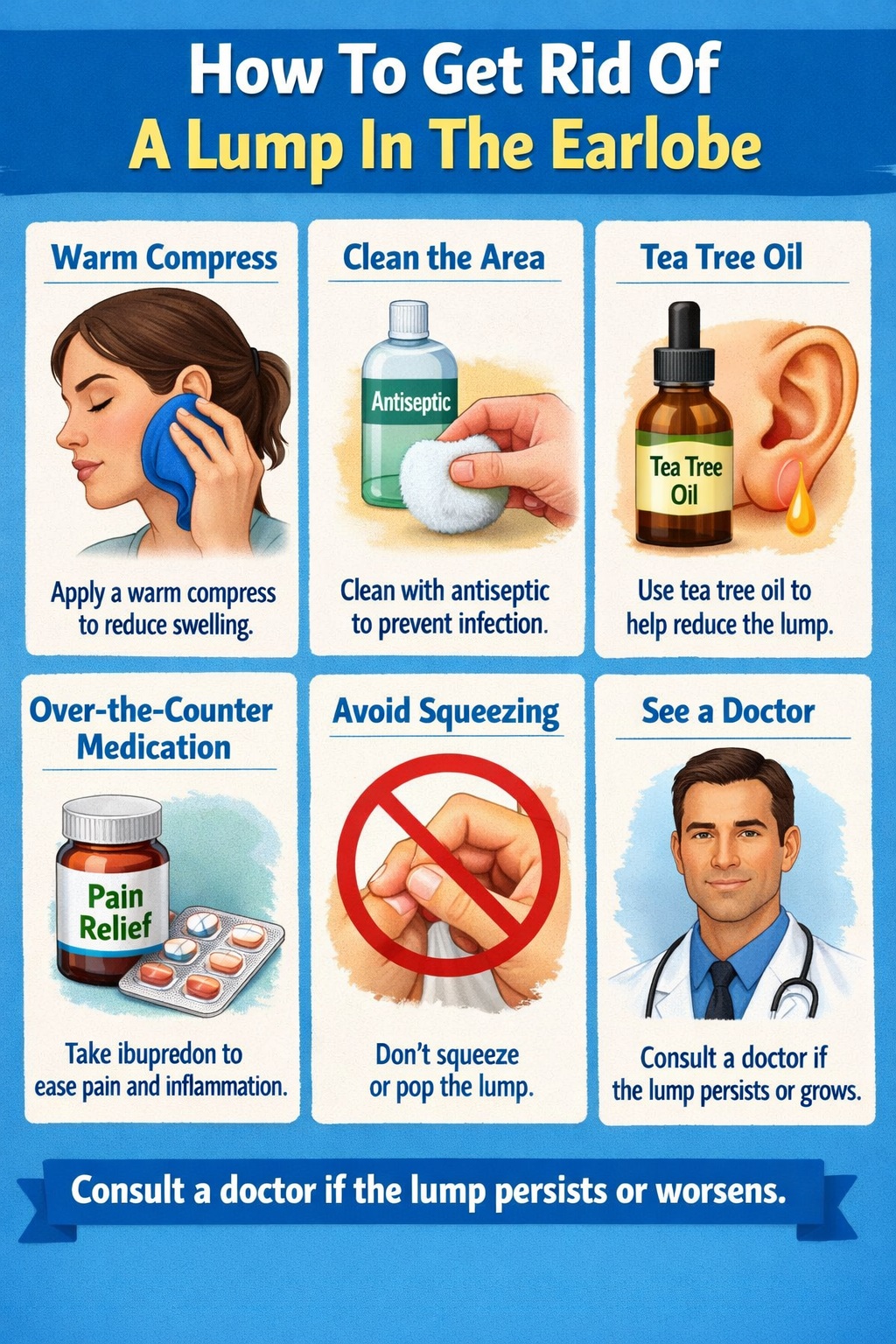
A) Warm Compress for Non-infected Cysts
Press a warm compress to the affected area for 10-15 minutes. Make sure the compress is not hot, but just warm enough to be tolerable on the skin.
Keep doing this 2-3 times a day; this may soften the cyst and reduce inflammation. However, the cyst capsule is not removed in this method, so recurrence may be possible.
B) Topical Antibiotics for Minor Skin Infections
Over-the-counter antibiotic ointment, such as mupirocin, can be helpful to treat the surface of the skin if it is irritated. Do not use steroid creams unless it has been advised.
C) Incision & Drainage (I&D) at Clinic — For Abscess
If the lump has turned painful and is infected with pus, a doctor may prescribe sterile drainage. This has to be performed under medical supervision and can not be performed at home, even if you are using sterile needles.
D) Surgical Excision — For Definitive Treatment of Cysts / Recurrent Lumps
This is the only permanent treatment option for true epidermoid cysts in the lobe. It involves the surgical removal of the contents and the cyst capsule, preventing recurrence.
E) Steroid Injections / Pressure Therapy — For Keloids
Steroid Injections, Silicone Sheets, Pressure Earrings, and in extreme cases, cryotherapy, all of these are great for keloids and to reduce scar volume and other symptoms over time.
F) Oral Antibiotics — For Infected or Spreading Inflammation
If warmth, redness, fever, or spreading pain is present, a doctor may prescribe oral antibiotics to prevent cellulitis.
How To Prevent Earlobe Lumps In The Future?
Recurrences or new lumps can still occur even after removal if preventative measures are not taken into consideration.
- Avoid wearing poor-quality or nickel-plated earrings
- Sterilize your earrings prior to putting them in your ears.
- Avoid re-piercing through scar tissue or inflamed tissue
- If you have acne or dermatitis close to the ear, treat it sooner rather than later
- Do not sleep in earrings that aren't needed
- Do not traumatize or cause friction to the earlobes
All of this is especially valuable if you personally have a tendency to develop cysts or keloids.
Conclusion
Earlobe cysts are normally benign and develop in middle-aged adults. Cysts can occasionally indicate a genetic defect. People, especially those with a history of Gardner syndrome or similar genetic disorder, should consult a doctor about the appearance of a cyst.
The majority of earlobe cysts can be treated without medical intervention. Some may even leave on their own. However, if a person suspects that a cyst has ruptured or is infected, they should seek medical assistance.