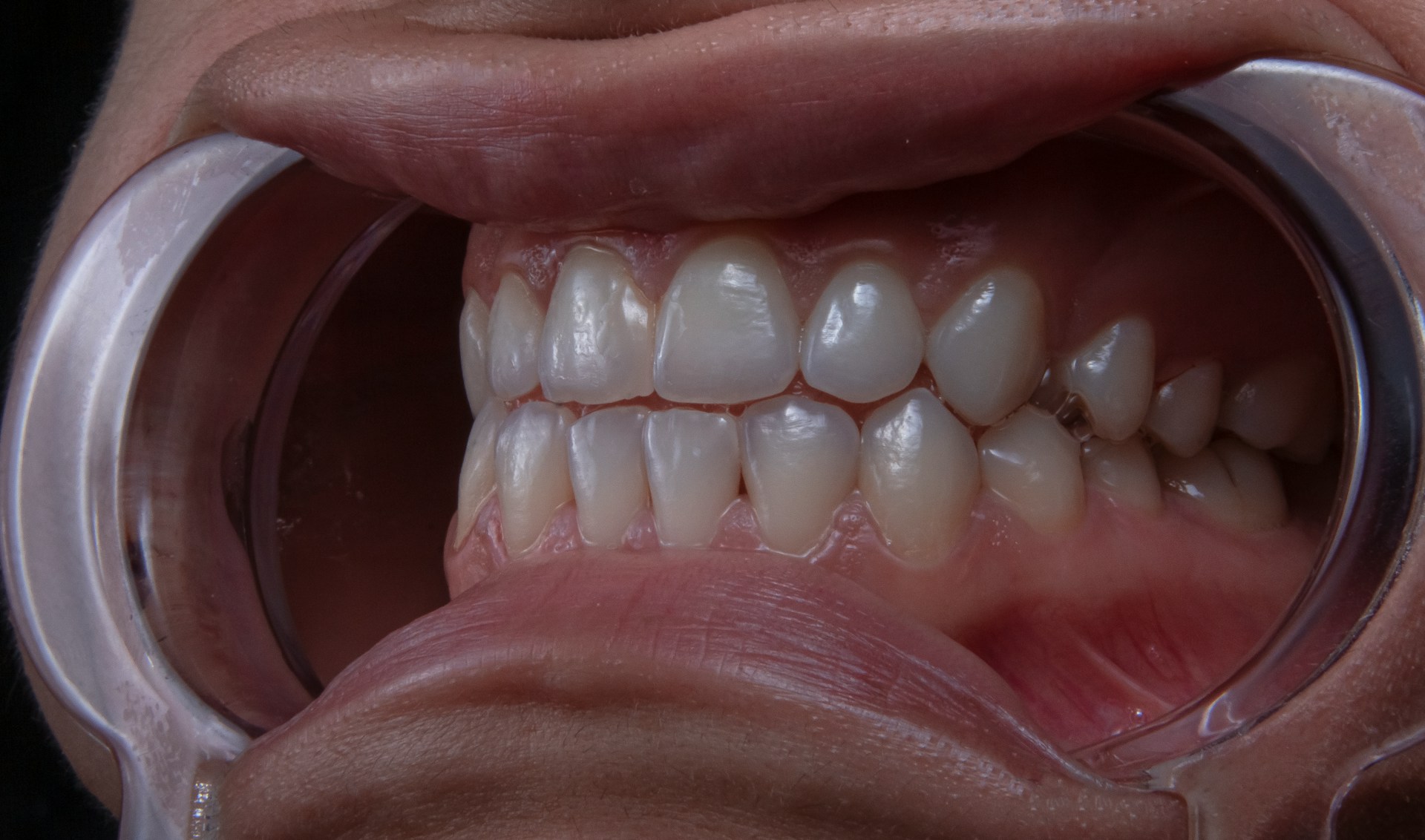
Gingivitis is one of the most common oral health conditions in Australia, yet it often goes unnoticed in its early stages. As the mildest form of gum disease, gingivitis is reversible when caught early — but if left untreated, it can progress into more serious periodontal disease with lasting consequences for your teeth and overall health.
Understanding the early warning signs of gingivitis is the first step towards protecting your smile and preventing more complex dental issues down the track.
What Actually is Gingivitis?
Gingivitis is an inflammatory condition affecting the gums, usually caused by a build-up of plaque along the gumline. Plaque is a sticky film of bacteria that forms on teeth daily. When it isn’t removed through proper brushing, flossing, and professional cleaning, it irritates the gums and triggers inflammation.
While gingivitis itself does not cause permanent damage, it acts as a clear warning sign that your oral hygiene routine — or dental check-up schedule — may need attention. In some cases, diagnostic tools like a dental x-ray in Brunswick can help identify underlying issues that aren’t visible during a standard examination, including early bone changes or hidden plaque build-up.
Early Warning Signs of Gingivitis
Gingivitis doesn’t usually cause pain in its early stages, which is why many people overlook it. Keep an eye out for the following symptoms:
- Red or Inflamed Gums: Healthy gums should be firm and pale pink. If your gums appear red, darker than usual, or swollen, this is often one of the first signs of inflammation caused by plaque irritation.
- Bleeding When Brushing or Flossing: Bleeding gums are not normal, even if they only bleed occasionally. Seeing pink in the sink or blood on your toothbrush is a strong indicator of gingivitis and should never be ignored.
- Tender or Sensitive Gums: Gums affected by gingivitis may feel sore, tender, or sensitive to touch. This discomfort can make brushing or flossing unpleasant, leading some people to avoid proper cleaning — which can worsen the condition.
- Persistent Bad Breath: Chronic bad breath (halitosis) or a constant unpleasant taste in the mouth can result from bacteria accumulating along the gumline. Unlike temporary bad breath, this doesn’t resolve easily with mouthwash or chewing gum.
- Shiny or Puffy Gum Appearance: Inflamed gums may look shiny or appear slightly puffy instead of having a tight, textured appearance. This change in texture is often subtle but significant.
- Gums Starting to Pull Away from Teeth: While more common in advanced gum disease, early gum recession can begin during gingivitis. Teeth may start to look longer as the gumline slowly recedes.
Why Early Detection Matters
Catching gingivitis early makes treatment straightforward and highly effective. With professional cleaning, improved oral hygiene, and regular dental check-ups, gums can return to a healthy state without permanent damage. If gingivitis progresses, however, it can develop into periodontitis — a more serious condition that can lead to gum recession, bone loss, loose teeth, and even tooth loss. Research has also linked advanced gum disease to broader health issues, including heart disease and diabetes complications.
What You Can Do to Prevent Gingivitis
Preventing gingivitis largely comes down to consistency and early intervention:
- Brush twice daily using a soft-bristled toothbrush
- Floss daily to remove plaque between teeth
- Use an antibacterial mouthwash if recommended
- Attend regular dental check-ups and professional cleans
- Address issues early, even if symptoms seem mild
Dental professionals can also identify problem areas you may miss at home and recommend tailored preventative care.
Don’t ignore the subtle signs
Gingivitis often starts quietly, but your gums usually give warning signs long before serious damage occurs. Paying attention to changes in colour, texture, bleeding, or breath can make all the difference in preserving your oral health.
If you’ve noticed any of these early symptoms, booking a dental assessment sooner rather than later can help stop gingivitis in its tracks — keeping your gums healthy and your smile strong for years to come.