Should I choose clear aligners or traditional braces?
It sounds simple, but the decision is rarely just about appearance. It is about how treatment fits into your daily life, how consistent you can be, and what your teeth actually need to achieve the result you want.
Choosing the wrong option can lead to frustration, delays, or results that fall short of expectations. Choosing the right one can make the entire process feel seamless.
Why This Decision Matters More Than People Expect
Orthodontic treatment is not something you do for a week or a month. It is a commitment that can last many months, sometimes longer depending on the complexity of your case.
That means your experience matters just as much as the outcome.
The right choice should:
- Fit naturally into your routine
- Align with your comfort level
- Support consistent progress over time
This is where many people underestimate the importance of lifestyle fit.
Invisalign Clear Aligners, Designed for Flexibility and Discretion
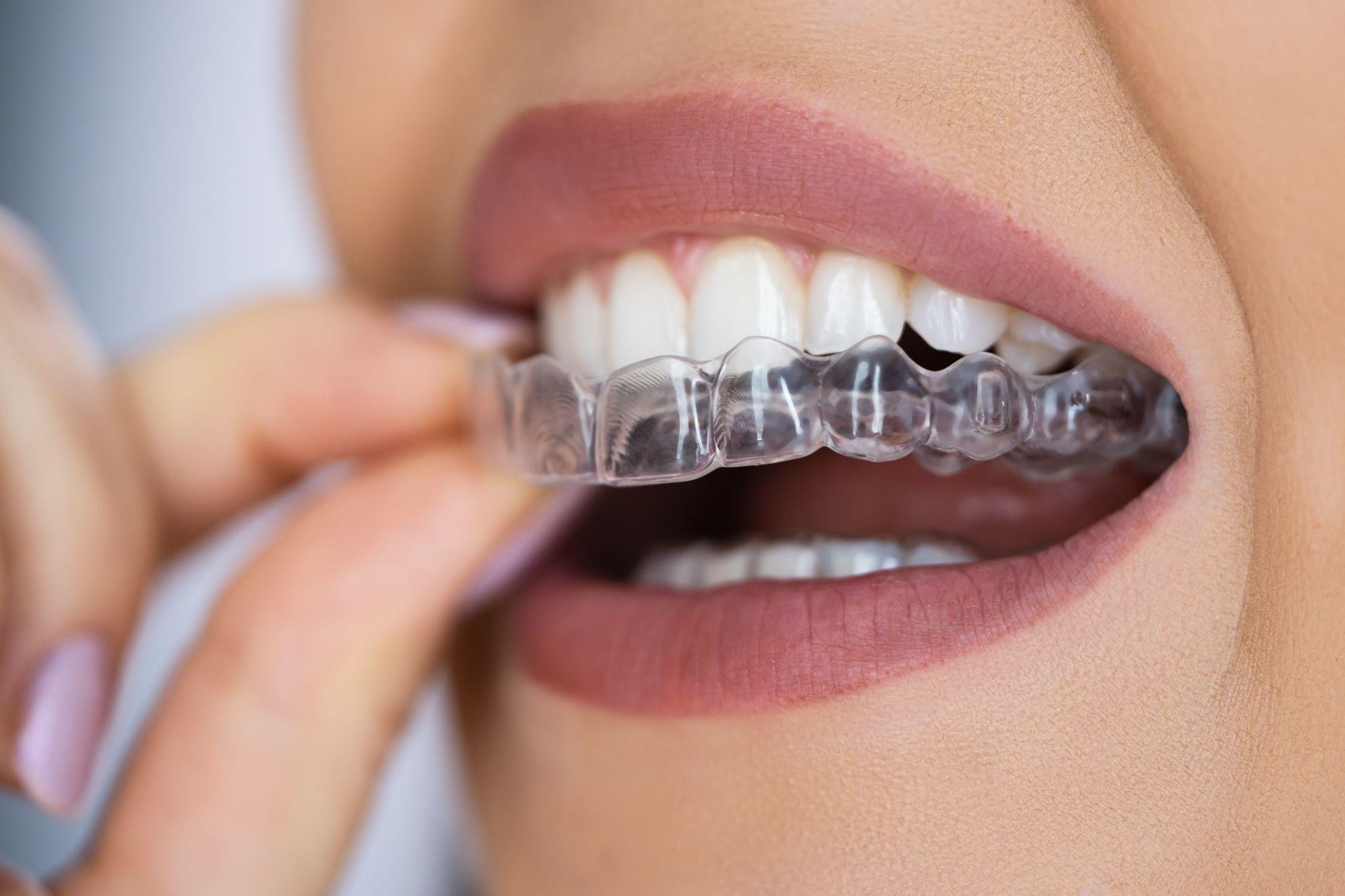
Clear aligners have become one of the most popular orthodontic options, especially for adults and older teens.
They use a series of custom-made trays that gradually shift your teeth into place. Because they are transparent and removable, they offer a level of flexibility that traditional braces cannot match.
Clear aligners such has invisalign are ideal if you:
- Prefer a low-visibility treatment option
- Want the ability to remove them for meals and social situations
- Value convenience when brushing and flossing
For professionals, students, or anyone frequently interacting with others, this discretion can make a significant difference.
However, flexibility comes with responsibility.
Aligners must typically be worn 20 to 22 hours per day. If they are removed too often or not worn consistently, progress slows down and results can be compromised.
Traditional Braces, Structured and Highly Effective
Braces remain one of the most reliable orthodontic solutions available.
They use brackets and wires to apply continuous pressure, allowing for precise control over how teeth move.
Braces are often recommended for:
- More complex alignment issues
- Significant bite correction
- Cases that require detailed, controlled movement
Because they are fixed in place, they do not rely on daily decisions like aligners do. This can be beneficial for patients who prefer a more structured approach or who may find it difficult to maintain consistent wear with removable trays.
The Lifestyle Factor Most People Overlook
Aesthetic preference is often the first thing people consider, but it should not be the only factor.
Your daily habits play a major role in determining which option will actually work for you.
Clear aligners tend to work best if you:
- Are disciplined and consistent
- Do not mind managing removable trays
- Want flexibility in your eating routine
Braces may be a better fit if you:
- Prefer not to think about your treatment throughout the day
- Want a solution that works continuously without intervention
- Have a more complex dental case
Choosing based on appearance alone can lead to challenges later. Choosing based on lifestyle leads to better outcomes.
For those exploring their options for Invisalign Richmond Hill, this kind of personalized evaluation ensures the treatment actually fits your life.
Comfort and Daily Experience
Both options involve an adjustment period, but the day-to-day experience can feel quite different.
Clear aligners:
- Smooth and less likely to irritate cheeks or gums
- Easy to remove for cleaning
- No dietary restrictions
Braces:
- May cause temporary discomfort after adjustments
- Require more attention when brushing and flossing
- Limit certain foods to prevent damage
Some patients prefer the convenience of aligners, while others prefer the consistency of braces. Neither is universally better, only better suited to different preferences.
Treatment Time and Predictability
Treatment timelines vary depending on the complexity of your case.
In general:
- Aligners work very well for mild to moderate alignment issues
- Braces often provide more predictable control for complex cases
The goal is not to choose the fastest option in theory, but the most effective option for your specific situation.
A proper consultation will determine which approach is more likely to deliver stable, long term results.
Cost Considerations
Cost is often part of the decision, but it is rarely the deciding factor.
Both aligners and braces can fall within a similar range depending on:
- Case complexity
- Treatment duration
- Technology used
Rather than focusing solely on price, it is more valuable to consider overall fit, comfort, and expected outcome.
Making the Right Choice
There is no universal answer to the aligners versus braces question.
The best decision comes down to:
- Your dental needs
- Your lifestyle
- Your ability to stay consistent throughout treatment
Working with a clinic like Smiles on Yonge allows you to explore both options in a way that is tailored to your goals, not just general assumptions.
Final Thought
Orthodontic treatment is not just about straightening teeth.
It is about improving how your smile functions, how it feels, and how confident you are using it every day.
The right choice is the one that fits your life as much as it fits your smile.