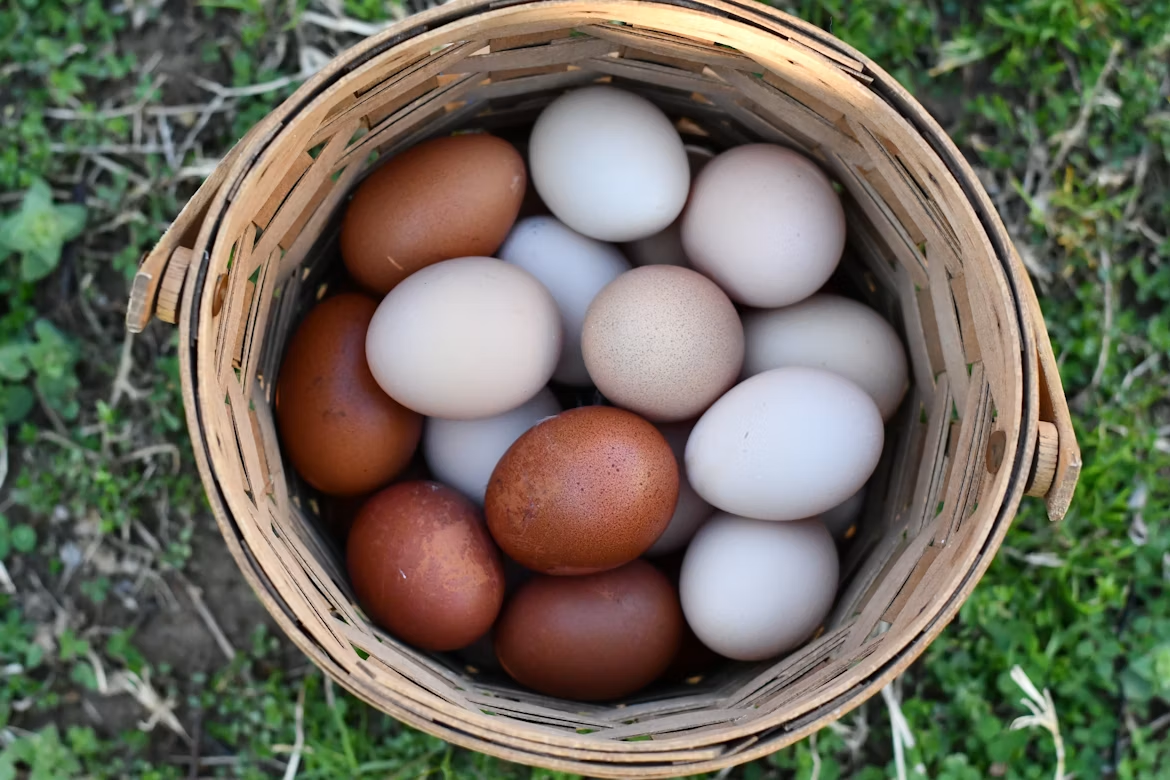
Strolling past grocery aisles, you’ll spot it – brown egg boxes next to white ones. Some people grab the brown kind, thinking they’re better, closer to nature, costlier but somehow worth it. A different group reaches for white eggs, drawn by the lower number on the tag.
Yet what portion really holds up?
Surprise – eggshell hue doesn’t change much at all. Years have passed, yet folks still argue about brown shells versus white ones. Truth slips through when you look closer, though. One thing leads to another: diet shapes nutrition, not pigment. What counts hides beneath the surface. Color comes down to the chicken breed, nothing more. Misconceptions stick around like old habits. Step by step, clarity replaces noise. Facts quietly win.
Why Are Some Eggs Brown and Others White?
White hens lay eggs with shells that are white. Hens with red feathers produce brown-shelled eggs instead.
Most of the time, chickens that have white plumage and pale earlobes produce white shells. Those sporting reddish-brown coats alongside rosy earlobes tend to drop brown ones instead. The shade comes down to inherited features. Nutrition? Quality? Hardly linked at all. It’s just how they’re built.
Put simply, it begins with the bird, never mind the egg.
Myth #1: Brown Eggs Are More Nutritious
Fact: Nutrition Is Nearly the Same
Some folks think brown eggs pack extra nutrition compared to white ones. This idea shows up a lot when people talk about egg types.
Truth is, each kind gives about the same level of:
- Protein
- Vitamin B12
- Vitamin D
- Selenium
- Choline
- Healthy fats
One thing decides how nutritious an egg is: the hen's food, not if the shell is light or dark. When hens eat specific feeds, their eggs can carry more omega-3s or added vitamins – color of the shell makes no difference here.
Myth #2: Brown Eggs Taste Better
Fact: Taste Depends on Diet and Freshness
Some folks insist brown eggs taste better. Yet what really shapes flavor? It’s the chicken’s food, how fresh the egg is – things like that matter way more than whether the shell is light or dark.
Surprisingly, flavor doesn’t care about shell color. A bright white egg, laid by a healthy chicken, holds its own against a brown one. When eyes are closed, guesses often go sideways – few spot a real contrast. Taste simply doesn’t follow the shade.
Freshness wins when taste takes priority, far outweighing how something looks. A bright hue won’t help if the essence feels flat.
Myth #3: Brown Eggs Are More Natural
Fact: Both Are Equally Natural
Folks often think brown eggs seem closer to nature since they appear less polished. Their rougher shell gives off a homespun vibe, making them feel like the simpler choice.
That's not true.
Some eggs come in brown, others in white – both are just as real. Words like organic show up on cartons because of chicken living conditions, never tied to shell shade.
One thing people mix up: color doesn’t tell you how it was raised. A pale shell might mean organic care behind the scenes. Meanwhile, a tan one could trace back to standard farming rows. The outside gives no real clue about what happened inside the coop.
Myth #4: Brown Eggs Have Stronger Shells
Fact: Shell Strength Depends on the Hen
Some people think brown eggs come with tougher shells. Yet shell strength isn’t tied to color at all.
In reality, shell strength is influenced by factors such as:
- The hen's age
- Nutrition
- Overall health
Most of the time, younger chickens lay eggs that have sturdier outer layers – color has nothing to do with it. That reddish coating? Just dye, not armor.
Myth #5: Brown Eggs Come From Healthier Chickens
Fact: Hen Health Has Nothing to Do With Shell Color
Besides how a chicken lives, what it eats matters most – its shell shade means nothing at all. Yet proper attention beats guesswork every time. Still, people keep thinking brown means better. Not true.
Brown or white eggs come from different hen breeds, each staying healthy in its own way. Look at how farms treat birds instead of fixating on hue when care matters more.
Why Are Brown Eggs More Expensive?
Here’s the start of most false beliefs.
Some brown eggs come with a higher price tag simply due to the size of the chickens producing them. These bigger birds eat more food each day. Because their diets demand extra grain, expenses climb steadily. That added spending shows up later on store shelves. People buying eggs end up covering those increased farming needs.
Brown eggs costing more doesn’t mean they’re stronger or superior. That amount just shows what it takes to care for those chickens.
What Actually Determines Egg Quality?
Instead of focusing on shell color, consider these factors:
Freshness
Fresh ones tend to hold together more neatly when cooked. Their taste feels cleaner, somehow. A bit richer too. Cooking with them just works out smoother most times.
Hen Diet
Fresh greens in a hen's diet might boost certain nutrients inside the egg. Omega-3s often rise when meals include flaxseed instead of corn.
Farming Practices
From time to time, eggs come from hens that roam open fields under organic rules. These setups tend to shape how rich the yolks look, sometimes. Welfare often shifts when birds live outdoors instead of cages. Conditions change based on space, diet, sunlight access. Not every farm runs the same way, even if labels sound alike.
Storage
Packing things away cold keeps them tasting right while lowering risks at mealtime. Freshness stays longer when chill is applied early.
Shell color matters far less than these elements when it comes to how good an egg really is.
Brown Eggs vs White Eggs: Quick Comparison
Feature |
Brown Eggs |
White Eggs |
Nutrition |
Nearly identical |
Nearly identical |
Taste |
Depends on diet |
Depends on diet |
Protein |
Similar |
Similar |
Shell Strength |
Similar |
Similar |
Price |
Usually higher |
Usually lower |
Naturalness |
Equally natural |
Equally natural |
Final Thoughts
Truth be told, what you believe about brown versus white eggs often misses the mark. Nutrition stays the same no matter the shade of shell. Taste? Not shaped by color at all. Freshness slips in regardless of hue. Quality holds steady across both types. One stands beside the other – nearly identical when it counts.
Next up, when buying eggs, skip focusing on shell shade. Look instead at how fresh they are, how the hens were raised, also what they ate. Brown versus white means less than most think. What counts shows up beyond surface color.
When the sun sets, shell shade doesn’t decide what’s best – farming conditions do, along with how recently that egg landed on your table.