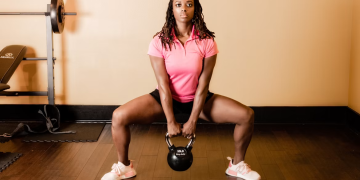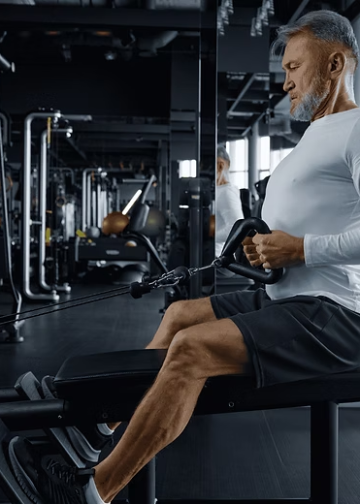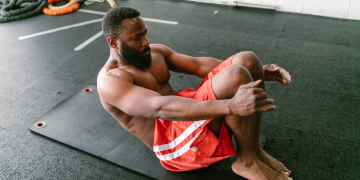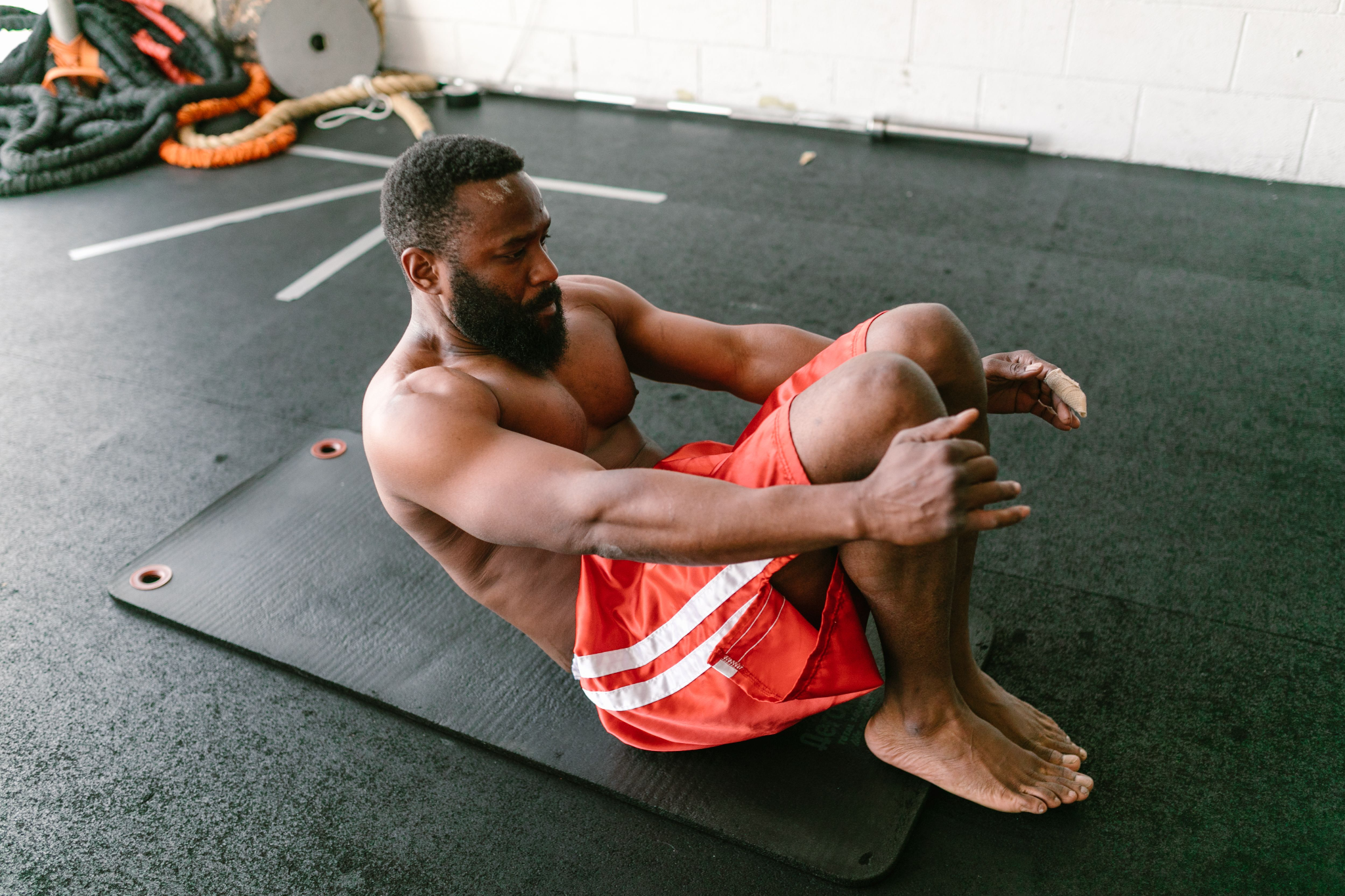
Older years need not mean a weaker core. Actually, plenty of trainers suggest skipping nonstop crunches entirely – particularly after age fifty. Repeated crunching often strains the neck, lower back, and hips, creating poor fit for mature frames.
Guess what? Better methods exist to firm up your midsection. Looking for a proven excercise to build abs after 50 without crunches? You've landed where it leads. Science now confirms active core moves do more than carve definition – they lift stability, how you stand, movement ease, even daily comfort.
Building a solid core after 50 doesn’t require crunches. Try these moves instead. Some ease stress on the neck. Others support better balance. Each one strengthens without strain. Movements shift slowly. Pressure stays low. Joints stay protected. Power grows quietly. Stability improves day by day. These options work well over time. Results come through steady effort.
Why Crunches Aren't the Best Option After 50
Years went by with everyone doing crunches like they were the best move ever. These days experts see things differently – your midsection involves way more than just those front abs people flex.
Your core includes:
- Rectus abdominis (front abs)
- Obliques (side abs)
- Transverse abdominis (deep core muscles)
- Lower back muscles
- Pelvic floor muscles
Most folks over fifty feel it in their lower back when they do crunches. Bending the spine again and again tends to flare up old aches. Instead of helping, it often pulls the neck wrong. Posture gets worse without notice.
Working on moves that hold the spine steady – while pulling in several muscles at once – tends to pay off more over time.
The Benefits of Core Training After 50
Most people think tight abs are just for looks. Yet stability starts deep within. Power flows from the center outward. Balance depends on unseen effort. Movement becomes easier when the middle holds firm. Strength hides where eyes don’t see. Control shapes every step taken.
Regular core training can help:
- Reduce lower back pain
- Improve balance and stability
- Enhance posture
- Lower fall risk
- Make everyday activities easier
- Support healthy aging and mobility
Staying steady on your feet often comes down to how well your middle muscles work. When years add up, that inner strength keeps you moving without help. Confidence grows when you trust your body to do daily things. Balance and power from within make life smoother much later on.
1. Plank
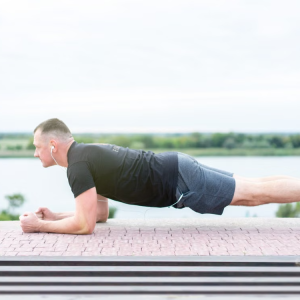
A strong core often comes from holding a still position. That move where you rest on elbows and toes? Time spent in that pose adds up quickly. Muscle tension stays high without needing big movements. This exercise stands out because it asks nothing flashy – just effort.
Starting strong, planks work every part of your midsection without bending the spine like crunches do.
How to Do It
- Start by lowering your forearms down onto the ground.
- From where you are, slide one leg back at a time. Then the other follows slowly.
- Line up your head, shoulders, hips – hold that shape steady. A strong frame stays balanced without sagging or lifting too high. Imagine a ruler running from top to toe, locked in place.
- Squeeze your stomach muscles while pulling in your buttocks.
- Pause here. Let it stay like that between 20 and 30 seconds.
When you get stronger, start stretching how long you hold each move. A little more time comes naturally with practice. Each step builds on what came before it. With steady effort, longer holds feel easier. Growth shows up quietly over weeks.
2. Bird Dog
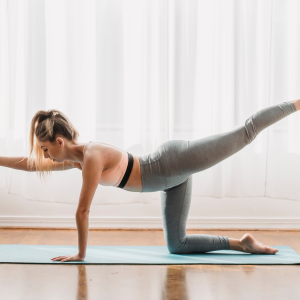
Starting on hands and knees, this move challenges your body in quiet ways. Stability grows when limbs lift, one at a time, without tipping. Coaches often pick it for rehab – it quietly sharpens control. Movement links breath, posture, and small shifts into steady practice.
How to Do It
- Crawl into position with hands and knees touching the floor.
- Reach out with your right hand, stretching it ahead. Then hold that position steady.
- Backward goes the left leg, stretching out behind.
- Pause right there. Count slowly past two. Stop just before three.
- Turn back now – move to the opposite side instead.
Start each set with ten motions on one side. Finish that round using a couple more, slow and steady near the end.
3. Dead Bug
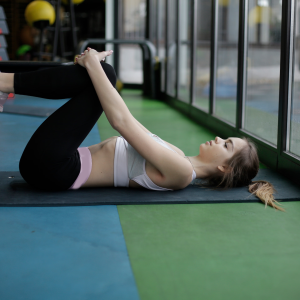
Strange as it sounds, calling it Dead Bug doesn’t make it any less powerful when working the deepest layers of your core. Though odd to picture, this move stands out for how well it protects the spine while demanding serious control.
How to Do It
- Belly down on the floor, face up.
- Reach up with both arms, fingers pointing to the sky. A slow lift begins at the shoulders, stretching tall like a tree in sunlight.
- Bent legs until they form a right angle. From there, keep thighs hovering just above the floor.
- Reach down with your right arm while extending the left leg behind. Hold that stretch just a moment before switching sides slowly.
- Turn it around, then switch hands.
Let the small of your back stay soft against the ground as you move. A light touch matters more than force. Each shift begins where the spine meets the mat. Stay close to stillness there, even when limbs change position. Pressure stays steady, never forced.
4. Standing Knee Raises
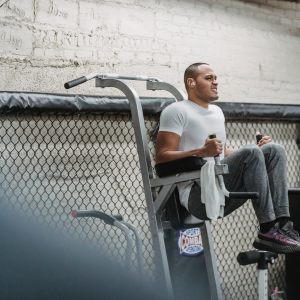
Some folks just do not like being on the ground. For them, doing knee lifts while upright makes sense instead.
How to Do It
- Bend your knees slightly while keeping space between them equal to your hips. Hold this position steady without shifting weight too much.
- Bring one knee up close to your body.
- Tighten your stomach area.
- Hold the movement down, then switch sides. Go slow before doing it again. Start low, move once more opposite. Ease back into position, try the alternate side. Pause at the bottom, continue on the far side.
From time to time, this basic motion boosts stability along with firming up the lower belly area.
5. Side Plank
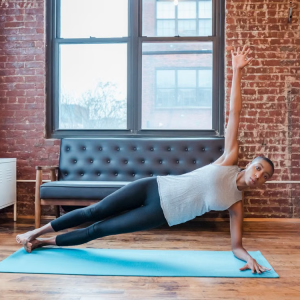
Stability in the spine? That comes partly from your obliques, activated during a side plank. Rotational strength gets a boost too – this move quietly prepares the body for twisting actions.
How to Do It
- Rest sideways. Position yourself with one hip touching the floor.
- Beneath your shoulder, let the forearm settle into position.
- Push up through your heels, lifting your pelvis skyward.
- Maintain a straight line from head to feet.
Pause here, counting slowly to thirty if needed. Then shift to the opposite side without rushing.
Bent knees help those just starting out feel more stable. When you're new, a slight knee flex keeps balance easier.
6. Pallof Press
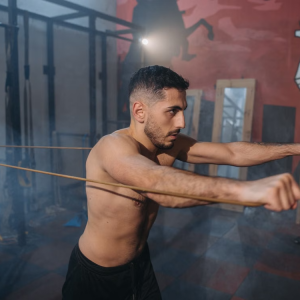
Most folks overlook the Pallof Press, yet it builds serious core stability against twisting forces.
How to Do It
- Attach a resistance band to a sturdy anchor.
- Face the side of where it’s fixed. Position your body so one shoulder leads toward the spot.
- Start by lifting the band up to where your heart sits.
- Reach forward with your arms until they lock. Hold them stiff like poles pushing through air.
- Push back when the music tries to tug you along.
Every shift pulls the center tight, bracing the body – strength grows in ways tasks at home or work actually need.
7. Farmer's Carry
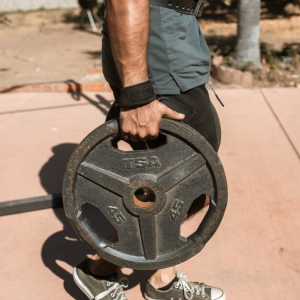
Out of nowhere, basic moves tend to work best.
Standing tall with a weight in each hand, this move tightens the midsection. Grip fights fatigue as shoulders stay back. Each step forces balance, building control from toes to neck.
How to Do It
- Grab one weight in each hand – either a dumbbell or a kettlebell.
- Stand tall.
- Take your time moving forward during half a minute or so. Step with care lasting up to one full minute.
- Slide your shoulder blades down while tightening the stomach muscles.
- Hold that tension across the core as you breathe steady.
Working out like this copies everyday movements while building strength across several muscles simultaneously.
Sample Core Workout for Adults Over 50
Start slow, doing this plan a couple of times each week if you’re new. The moves stay simple on purpose. Each session builds just enough strength without overwhelming anyone. Some days feel lighter; that is okay. Repeat it two or three times weekly for steady progress.
| Exercise | Sets | Reps / Duration |
| Plank | 3 | Hold 20–30 seconds |
| Bird Dog | 3 | 10 reps per side |
| Dead Bug | 3 | 10 reps per side |
| Standing Knee Raises | 3 | 15 reps per side |
| Side Plank | 2 | Hold 20 seconds per side |
| Farmer's Carry | 3 | Walk for 30–60 seconds |
Take a break of half to one minute after each move.
Can You Still Get Visible Abs After 50?
Absolutely.
True, working out helps. Yet what shows up matters just as much. Eating right shapes results far more than movement ever could. A solid routine might strengthen core muscles well past fifty. Still, none of it cuts through if layers hide underneath. Definition stays buried under fat no matter how hard you train.
To improve abdominal visibility:
- Eat sufficient protein
- Stay hydrated
- Prioritize sleep
- Include strength training
Stay physically active throughout the day. Showing up regularly beats flawless performance every time.
Final Thoughts
Surprisingly, tougher abs past age fifty need zero sit-ups. Instead, leading trainers now skip the crunches entirely – preferring moves that boost steadiness, coordination, and real-world power.
Start strong with moves such as planks, Bird Dogs, and Dead Bugs – these build core strength without strain. Instead of heavy loads, they rely on control, which means less stress on joints. From there, Side Planks add balance work, challenging stability in quiet ways. Even Farmer's Carries make a difference, quietly teaching your body to stay aligned under load. The Pallof Press fights unwanted motion, training resistance where it counts. Over time, posture gets sharper, movement feels smoother, bodies bend but do not break.
Start strong by choosing effective ab exercises that skip crunches if you are past fifty. If you're searching for an excercise to build abs after 50 without crunches, try these trusted moves instead of old routines. Stick with them over time so results can grow. Pair each workout with smart food choices every day. A steady middle means a happier body later on. The years ahead notice what you do now.